ANCHORING
Follow the instructions
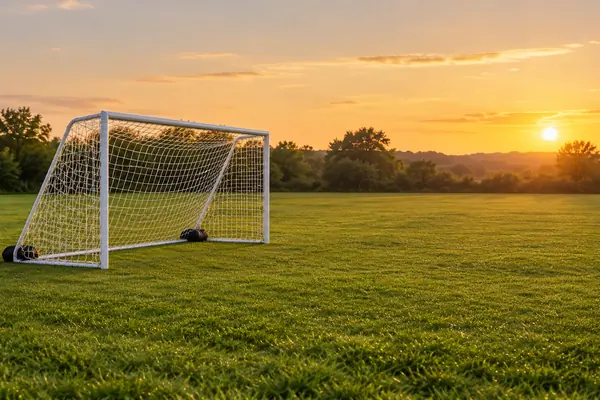
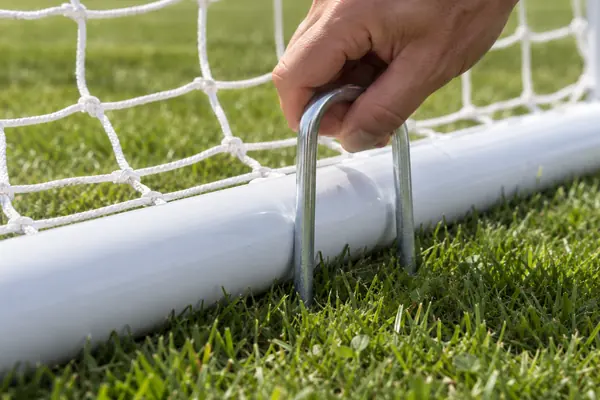
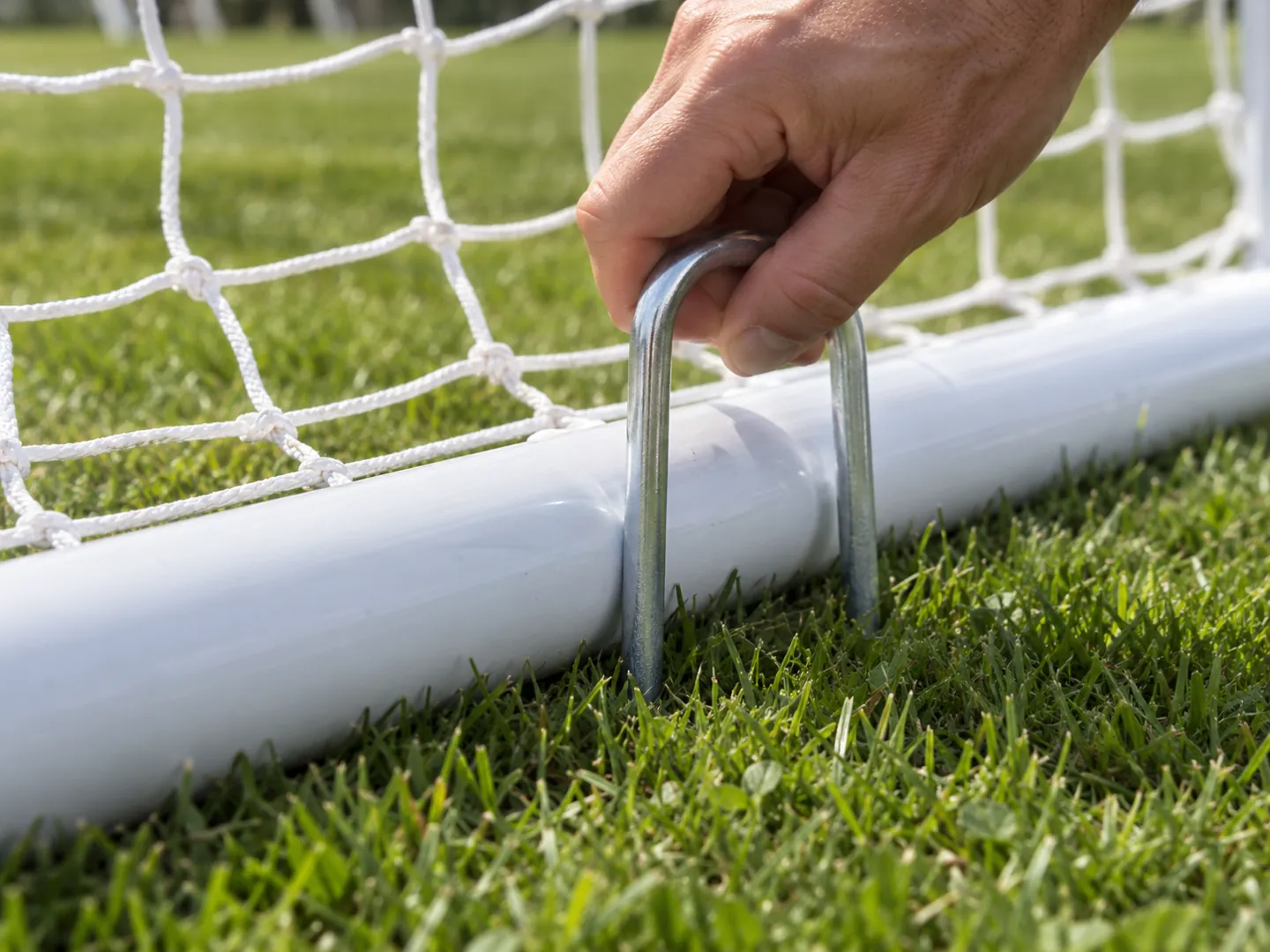
Portable goals must be secured as the manufacturer instructs, which the FA notes is also a requirement of the Laws of the Game.
Check a goal ocsportsware
Start
WHAT FOOTBALL'S SAFETY GUIDANCE SAYS
A goal is a heavy frame balanced on a narrow base.
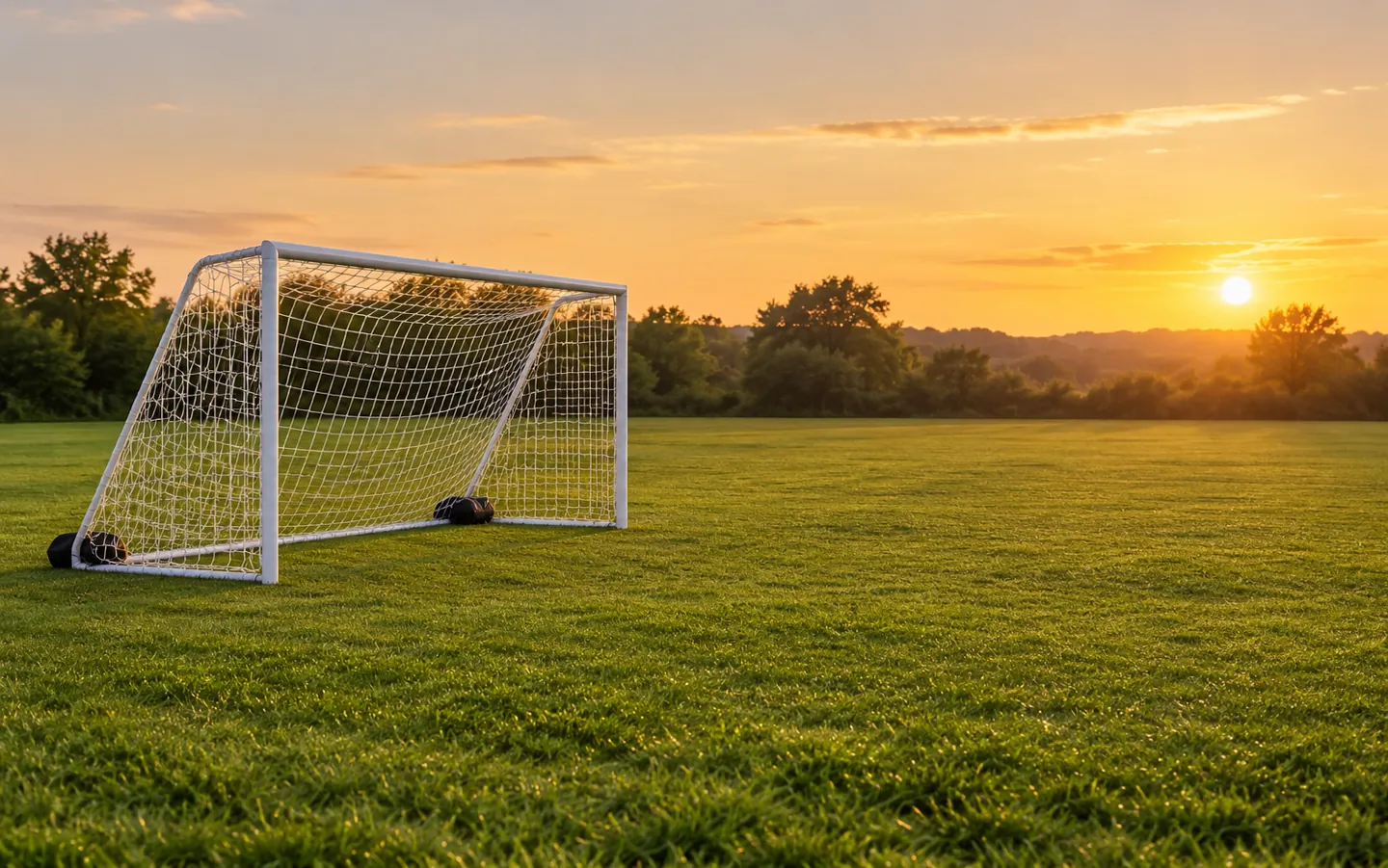
The FA warns that a portable goal which is not properly assembled and secured may overturn. The Football Association, with the HSE, DCMS and BSI, says goalposts of any size must always be anchored securely or have a weighted back bar.
ANCHOREDevery time
Check a goalKeep in mind
THE SHORT ANSWER
Portable goals cause most of the concern.
The fixes are simple and well known.
ANCHORING
Portable goals must be secured as the manufacturer instructs, which the FA notes is also a requirement of the Laws of the Game.
Check a goalUSE
The FA says that under no circumstances should children or adults climb on, swing on or play with the frame of a goal.
See the numbersSTORAGE
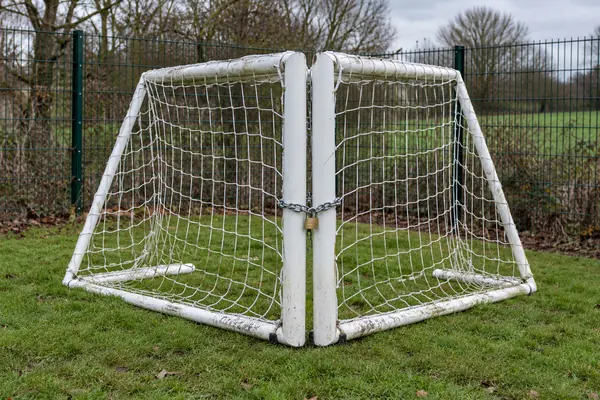
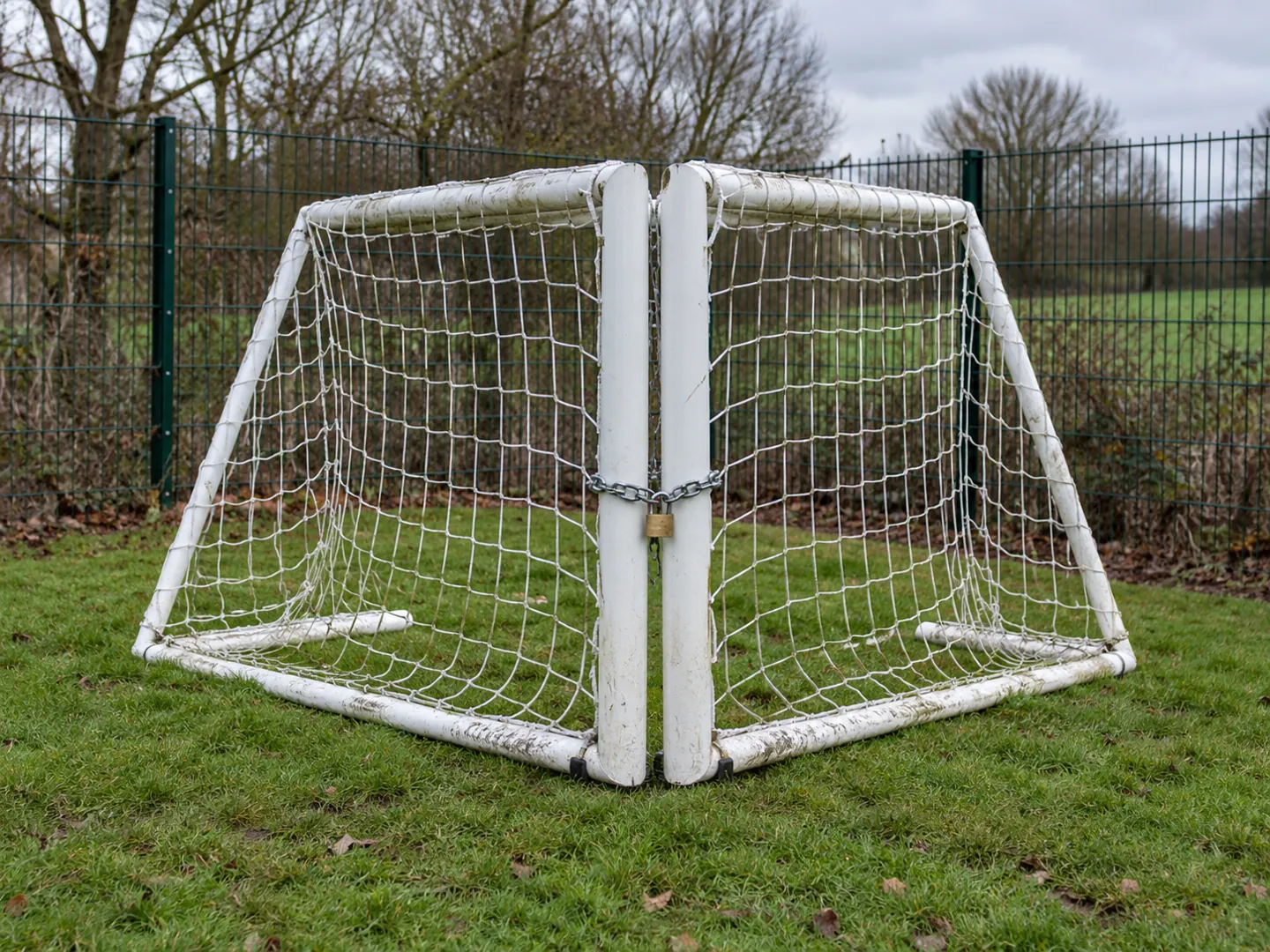
After use, portable goals should be dismantled, moved to secure storage, or placed together and fixed so they cannot be used.
What to checkA QUICK GOAL CHECK
Pick the situation you see on the pitch. The bar shows how strongly FA guidance warns against it.
Based on The FA's goalpost safety guidelines, issued with DCMS, HSE and BSI. A quick guide, not a safety inspection.
TWO NUMBERS WORTH KNOWING
From an FA programme of on-site inspection
and stability testing in the 2001/02 season.
50%
Share of 5-a-side goals that failed stability tests
These are almost all portable and rely on anchors or weights to hold them down.
5-A-SIDE GOALS · FA TESTING
41%
Share of mini-soccer goals that failed stability tests
22% of junior goals failed too. Anchor weights were rarely used properly or to the recommended loading.
MINI-SOCCER GOALS · FA TESTING
Source: FA 2001/02 inspection programme, as reported by Pitchcare. Older findings, but the same risks drive today's guidance.
BEFORE EVERY GAME
Clubs, schools and parents can run through these quickly before a session.
Step 1
Anchored to the ground or with a weighted back bar, exactly as the manufacturer's instructions say.
Step 2
Look for compliance with the relevant British Standard, such as BS EN 748 for full-size goals or BS 8462 for smaller ones. Avoid home-made, altered or wooden goals.
Step 3
Metal cup hooks were banned from the 2007-08 season. Nets should be held by plastic hooks, net grips or tape.
Step 4
The FA says regular inspections must be carried out. Industry guidance suggests checking at least once a week and before any game or training.
WHY STANDARDS MATTER
Heavy goals were traditionally built to survive misuse such as people swinging on the crossbar, but the FA notes concerns that a heavy goal tipping, or being moved around a pitch, can itself cause injury. Lighter goals and a new standard, BS EN 16579, followed.
The FA and BSI recognise BS EN 748, BS 8461, BS 8462 and BS EN 16579, and strongly recommend buying only goals that comply. Funding to replace unsafe goals is available through the Football Foundation.
Questions
Yes. The FA's guidelines say goalposts of any size, including portable ones, must always be anchored securely to the ground or have a weighted back bar, and be secured as the manufacturer instructs.
No. The FA says that under no circumstances should children or adults be allowed to climb on, swing on or play with the structure of goalposts.
The FA says there is no BS or CEN standard for wooden goals, that all wooden goals tested by independent consultants failed strength and stability tests, and recommends replacing them.
They were banned from the start of the 2007-08 season for safety reasons, and the FA lists cuts and gouging among its concerns. Nets should be fixed with plastic hooks, net grips or tape.
Portable goals should not be left in place. Dismantle them, move them to secure storage, or place them together with fixings so they cannot be used. Pitch run-offs should not be used for storage.
Destination
ABOUT THIS NAME
ocsportsware.com is part of the DoodleSale portfolio. It isn't in an auction right now, but you can ask about leasing it.